
Waterfalls, wild beaches and ancient gods, on one quiet island
Your guide to Samothraki (Samothrace), Greece.
Search things to do, stays and eats Fly over the island in 3DThings to do
See all things to do
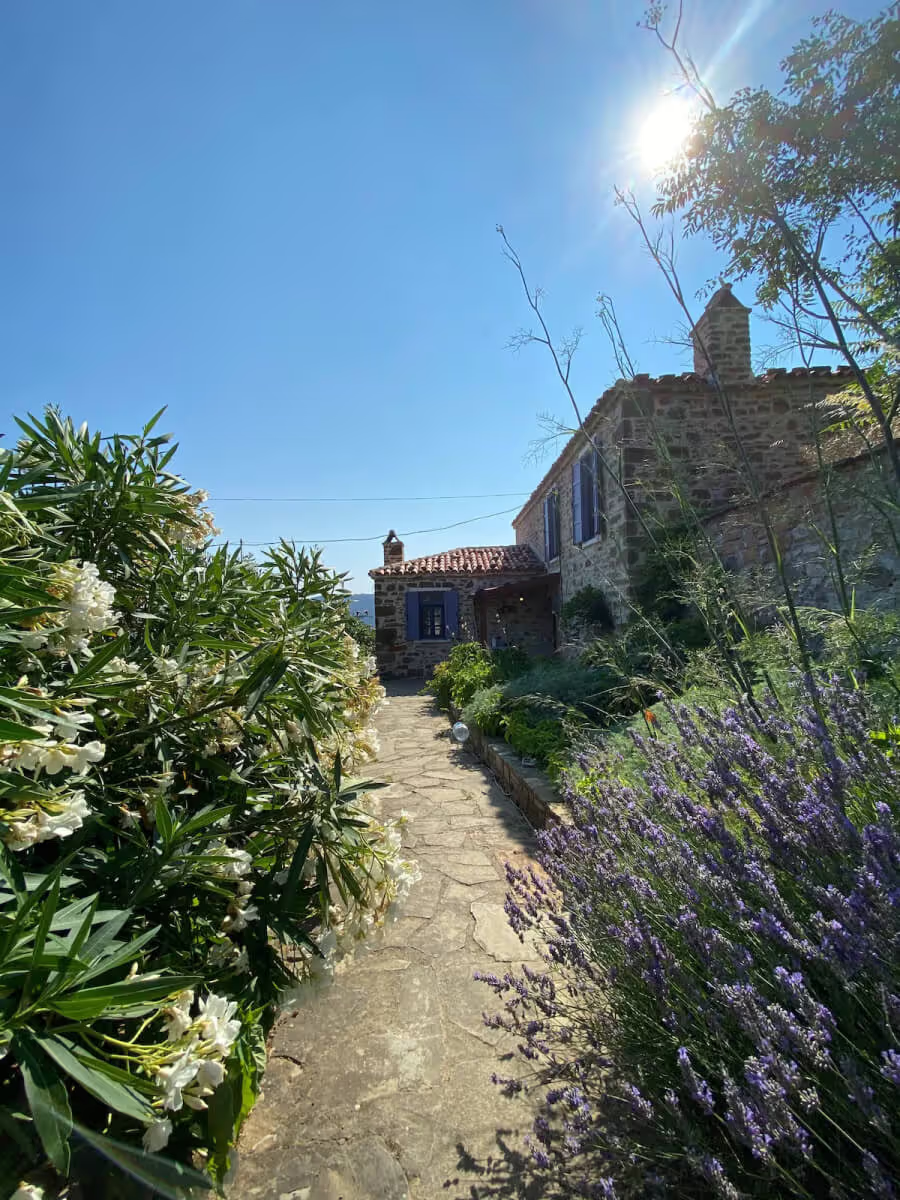
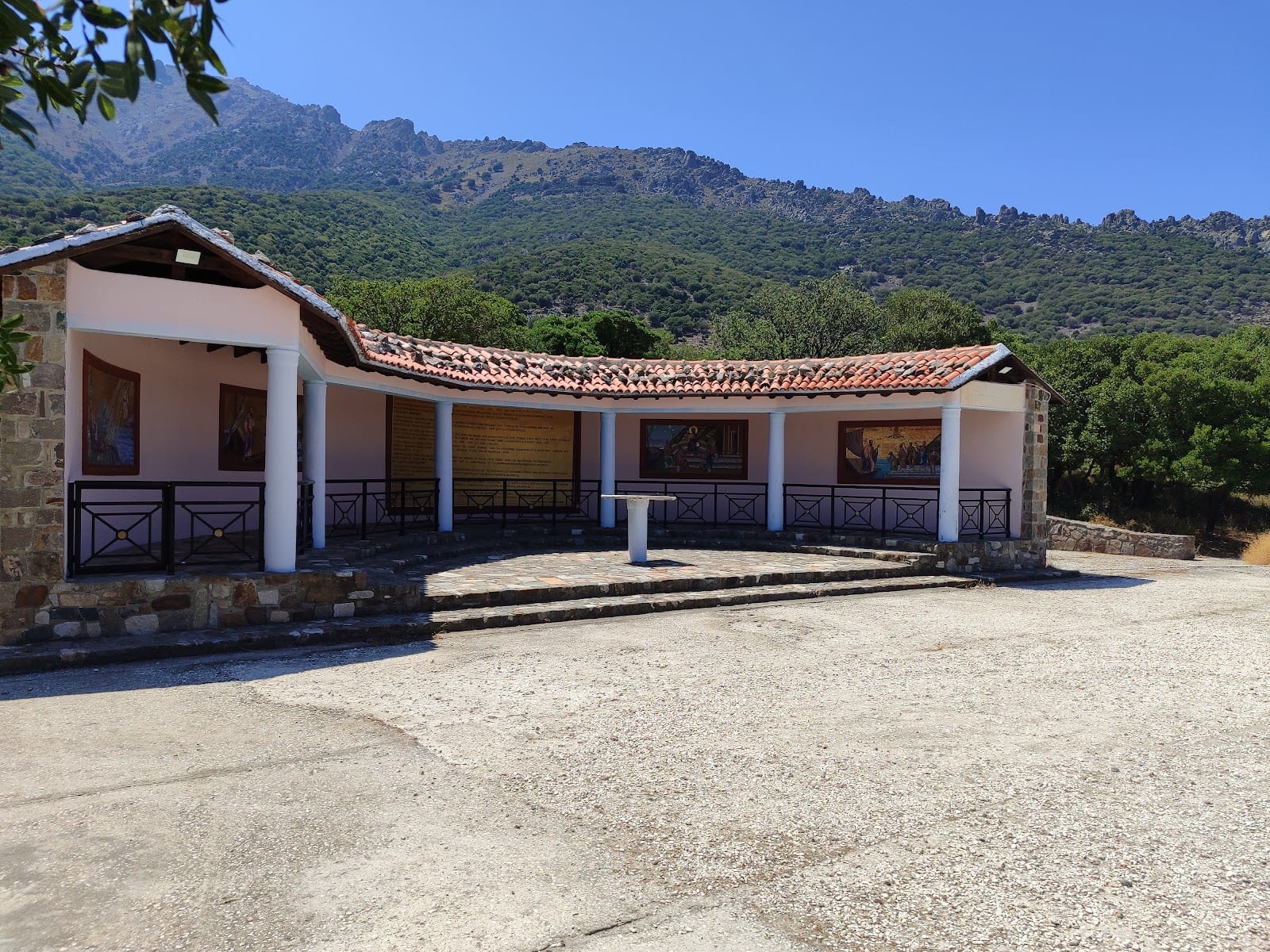
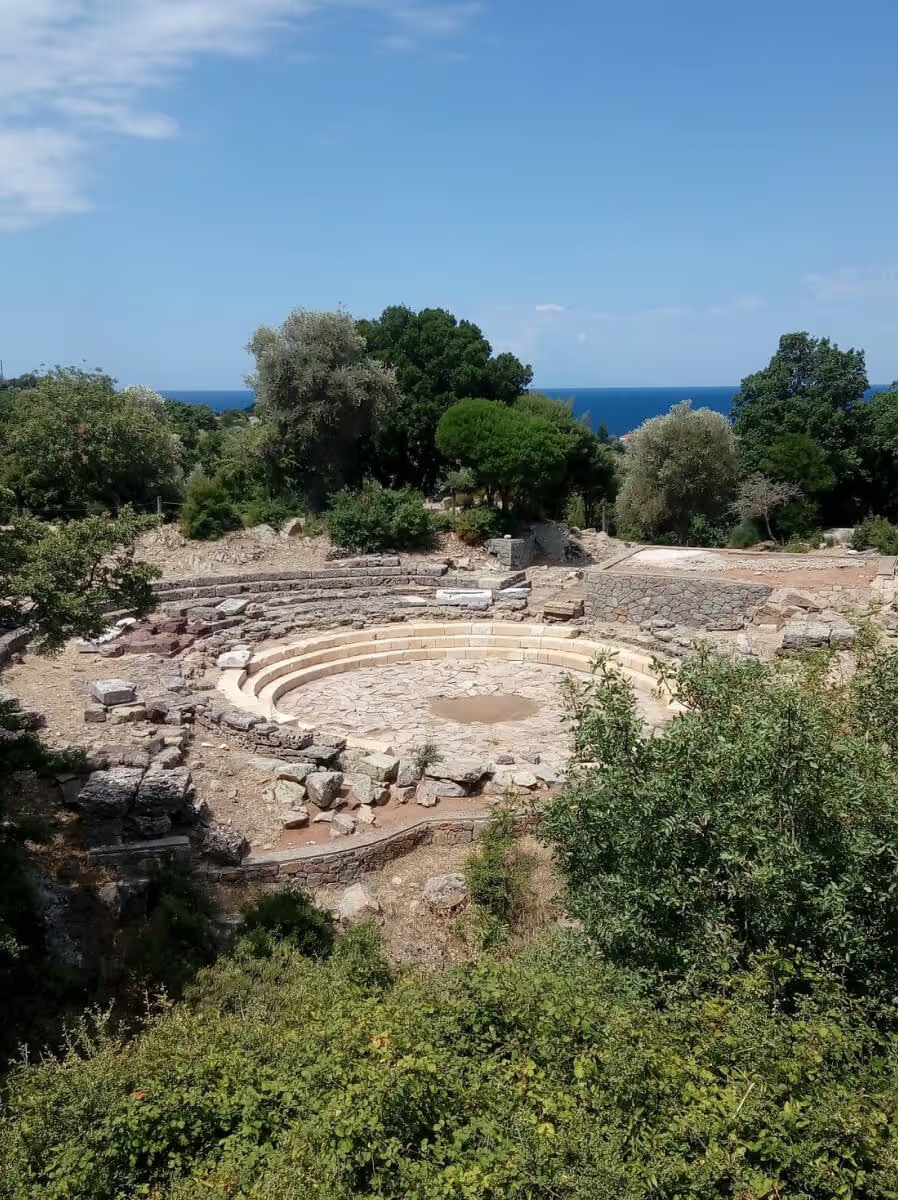
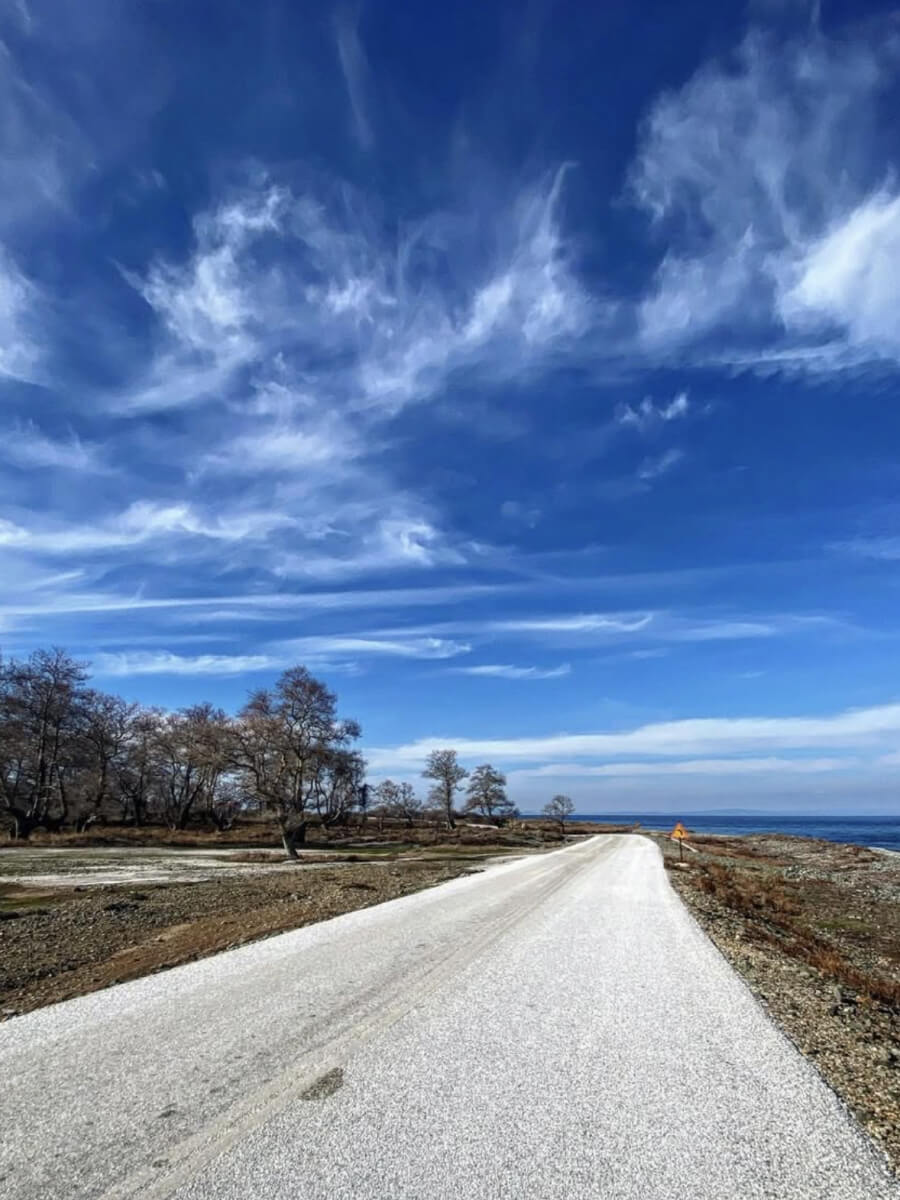
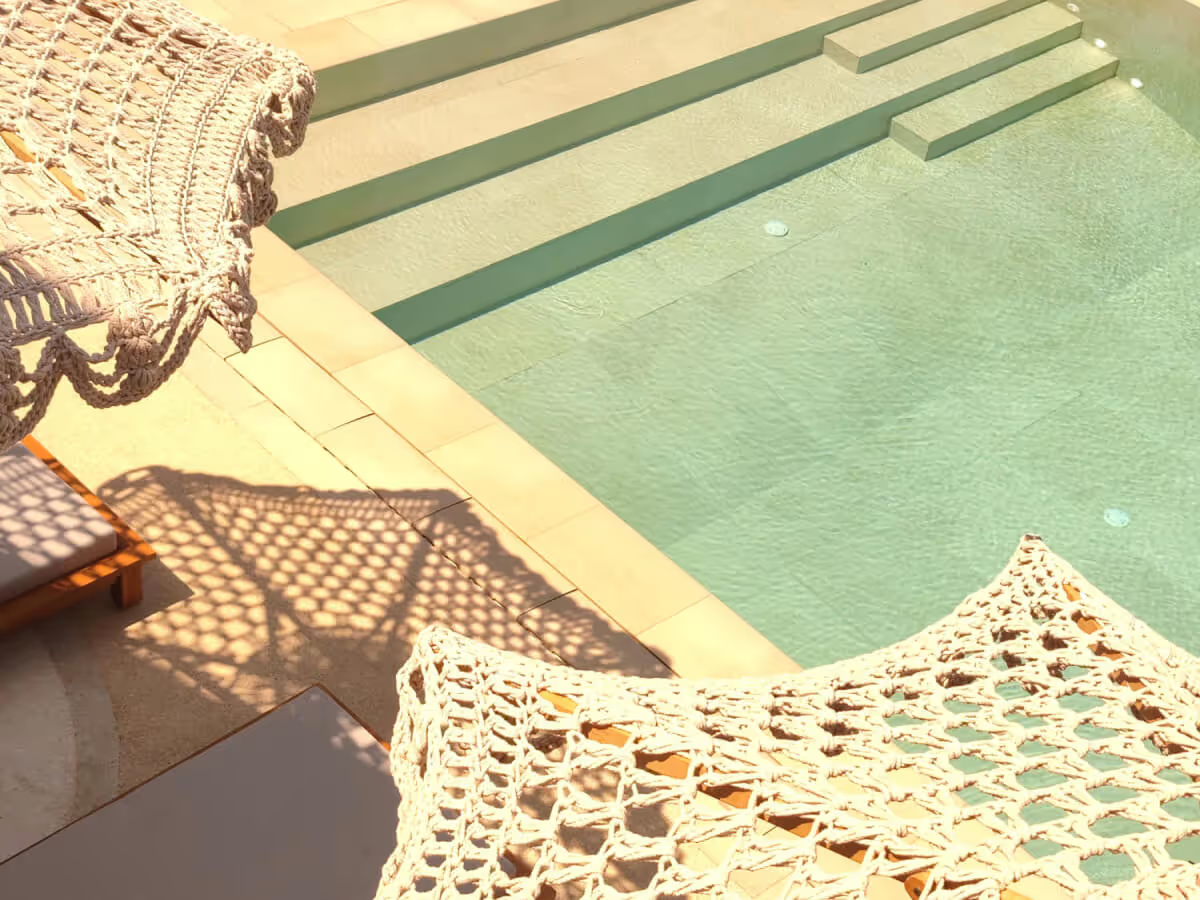
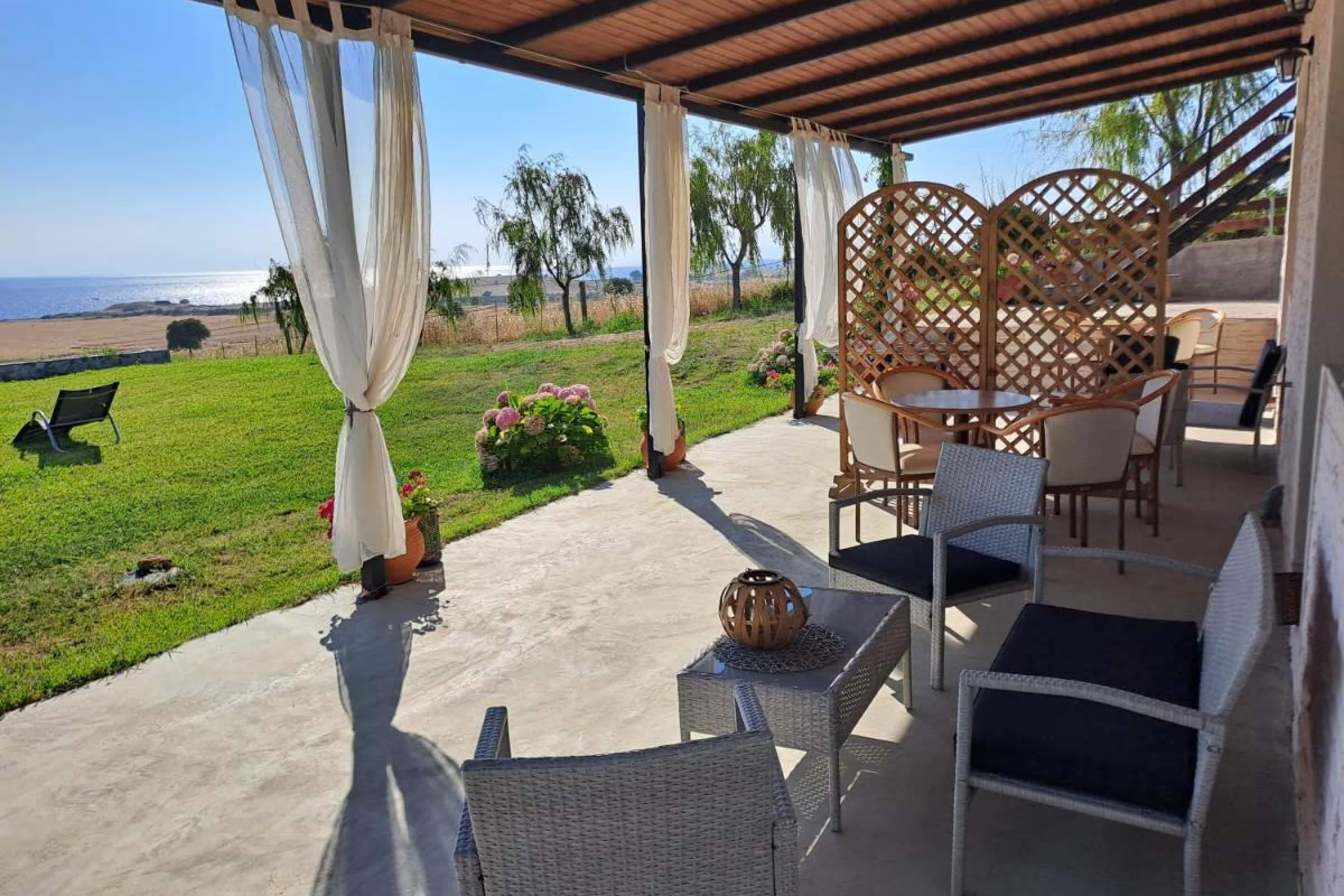
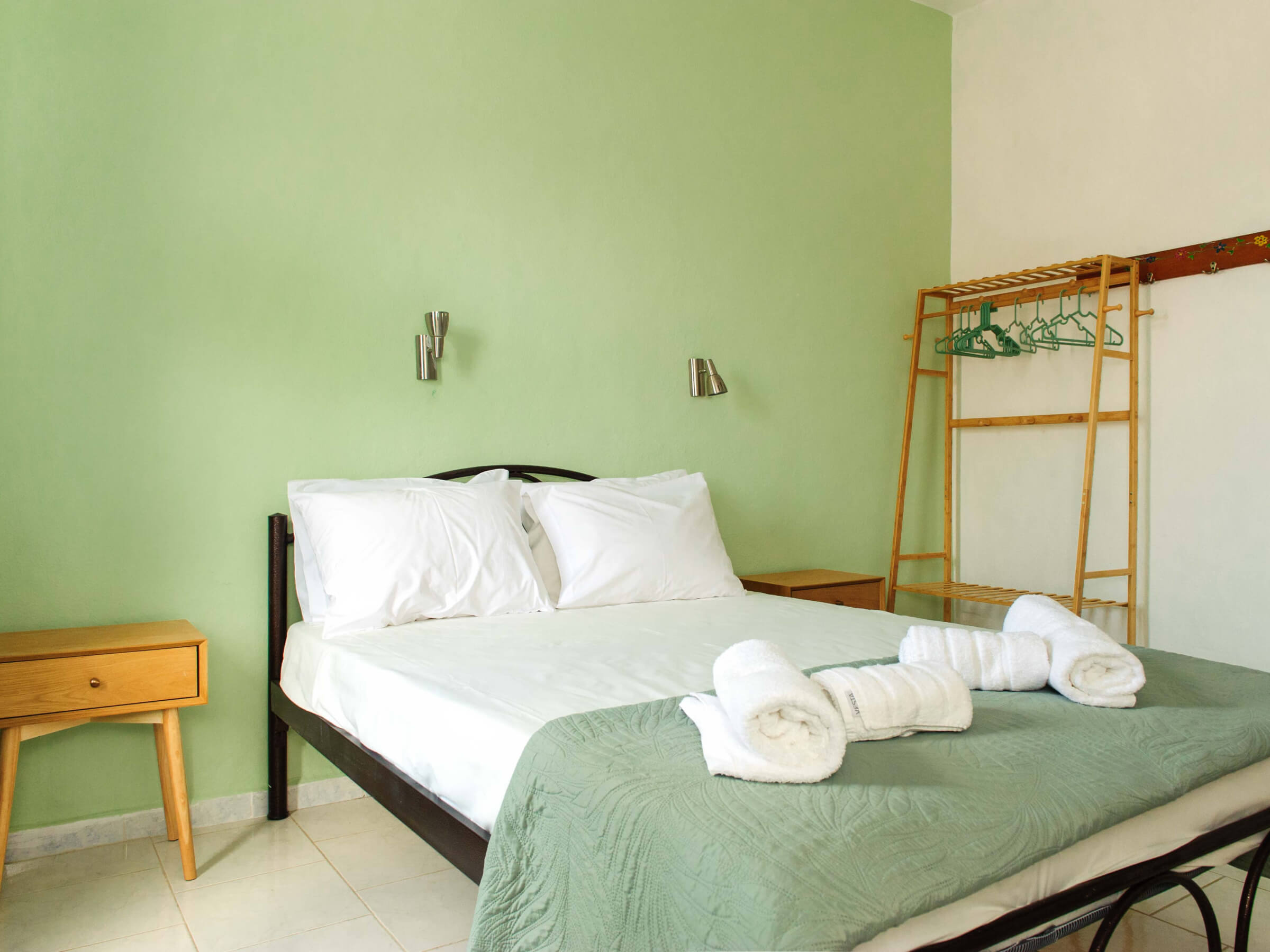
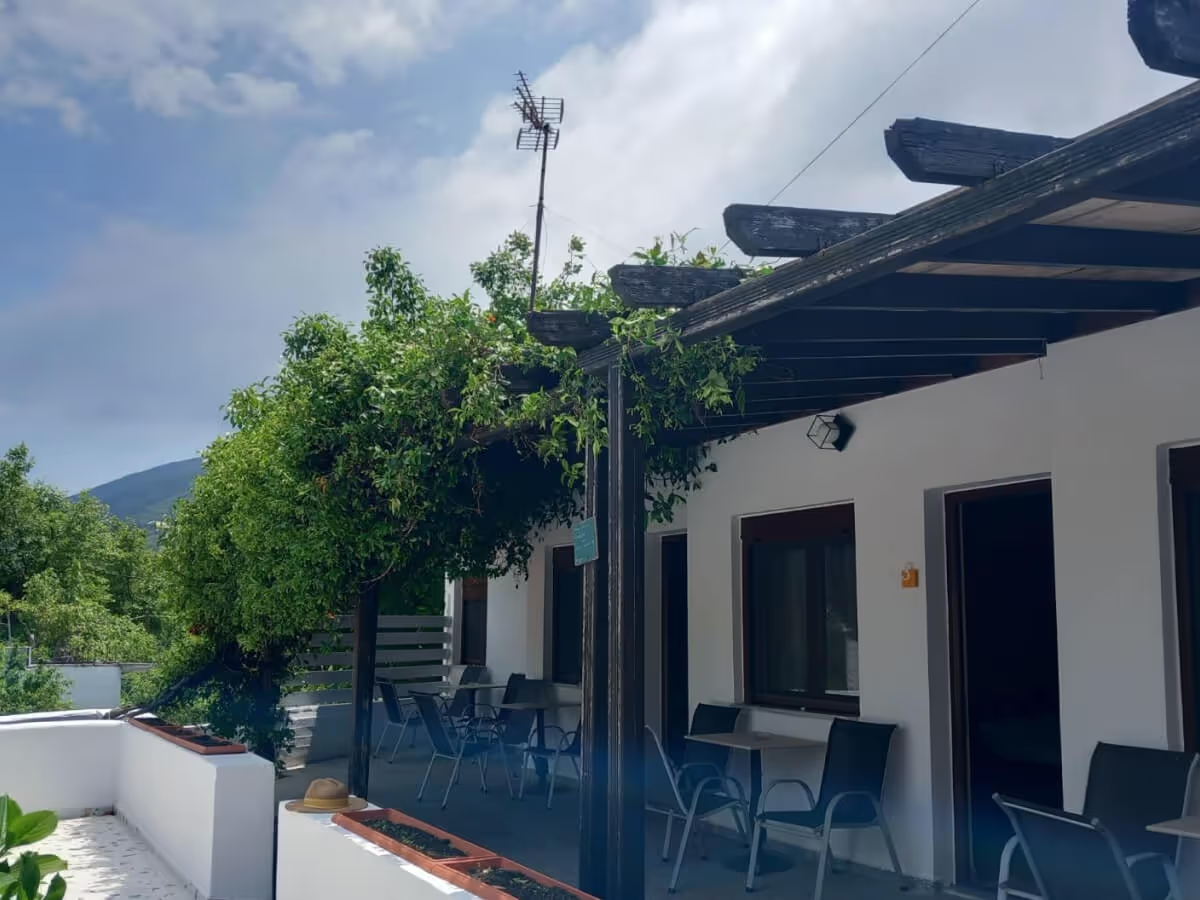
Where to stay
See all places to stay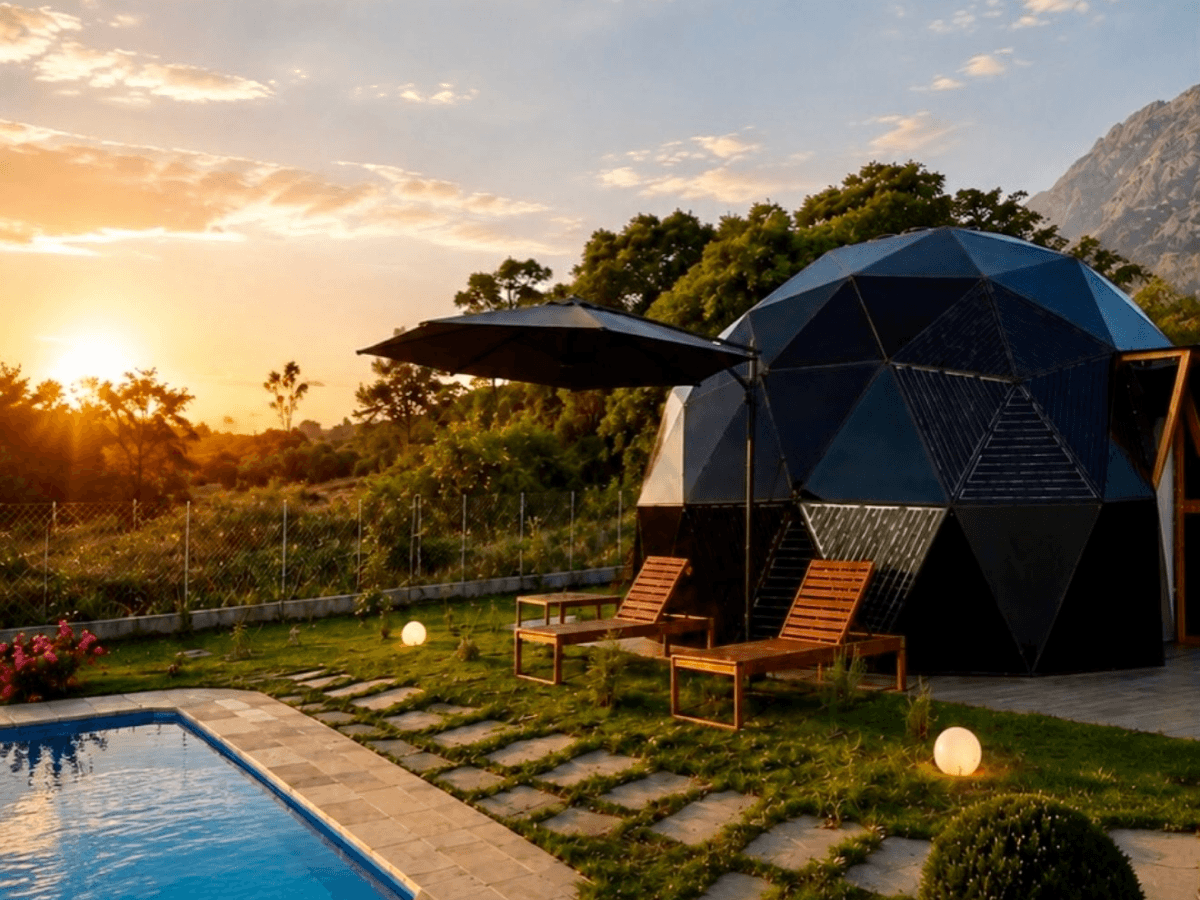
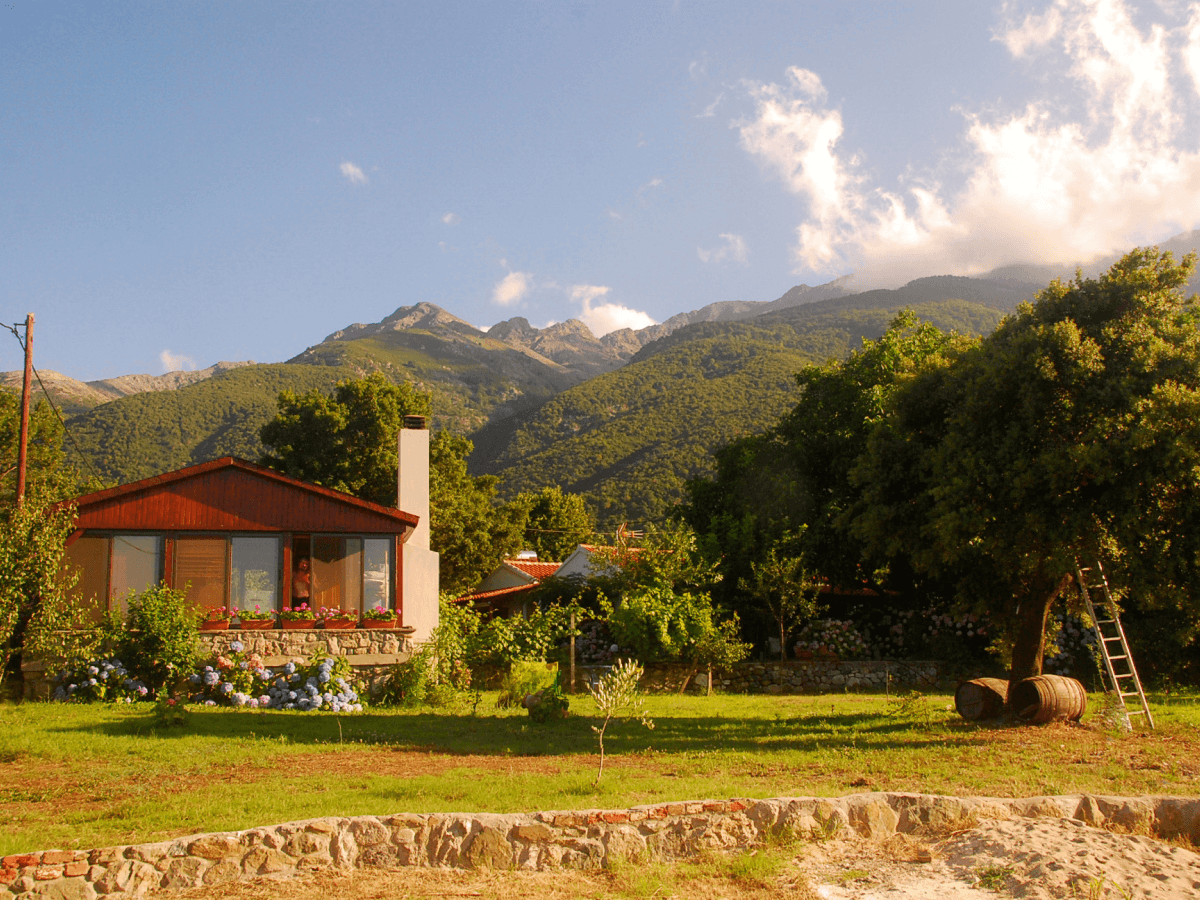
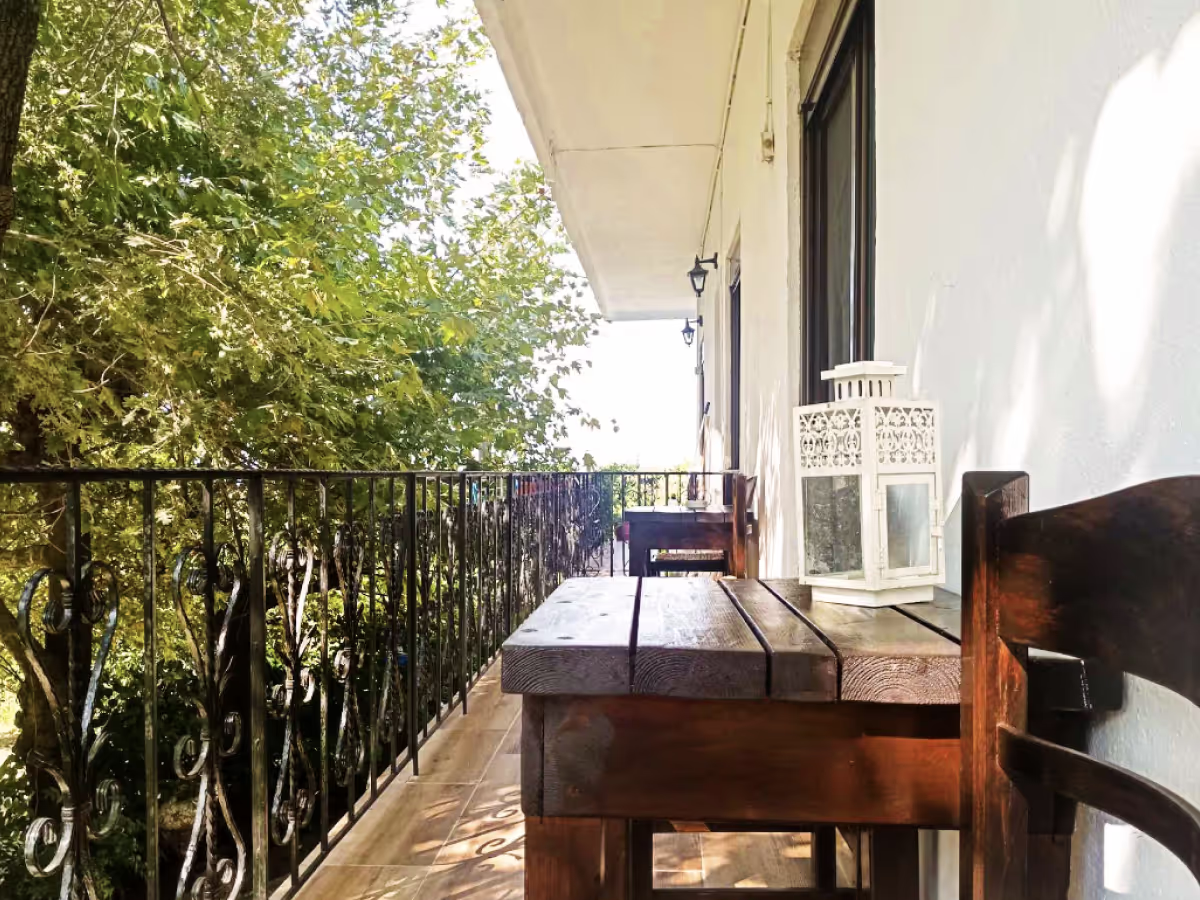
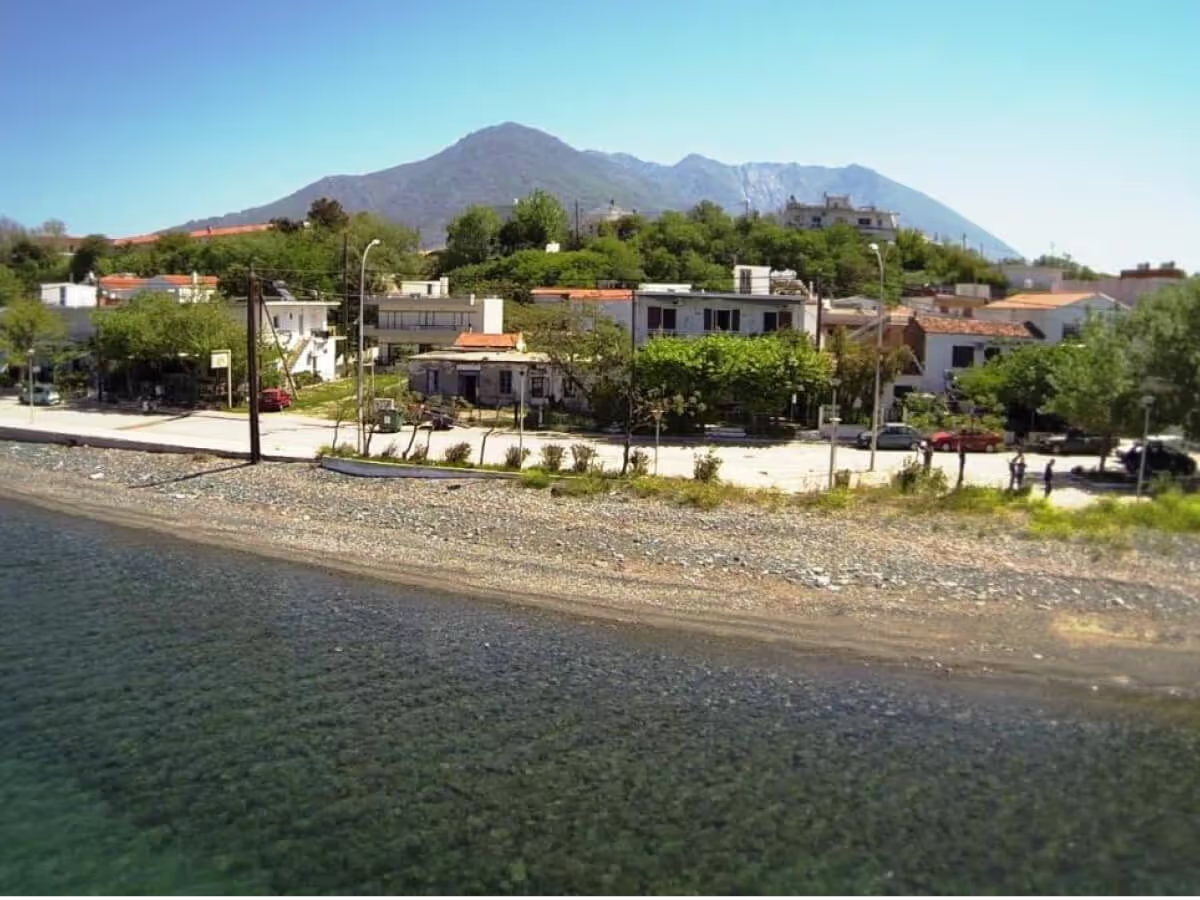



Where to eat
See all places to eat
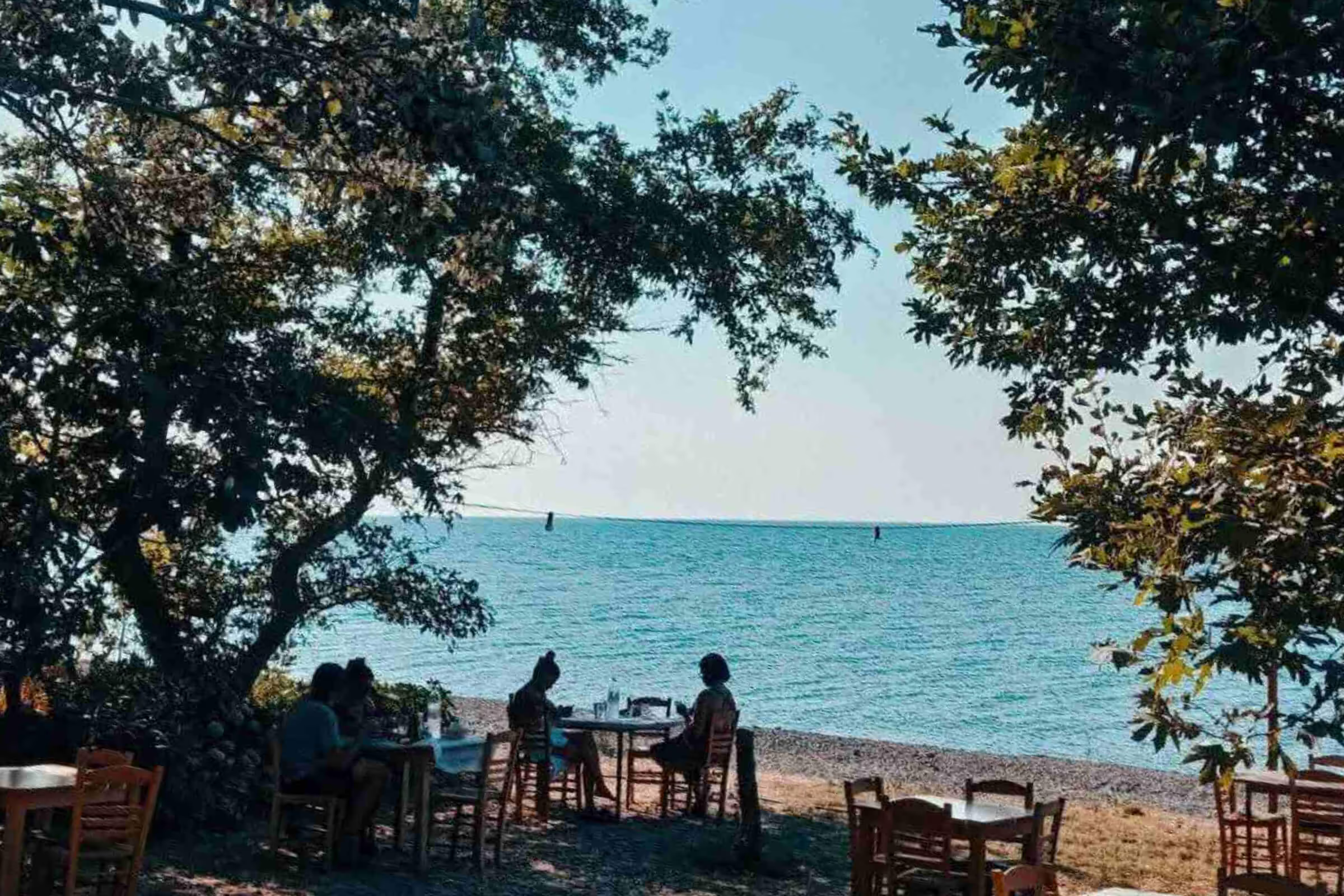
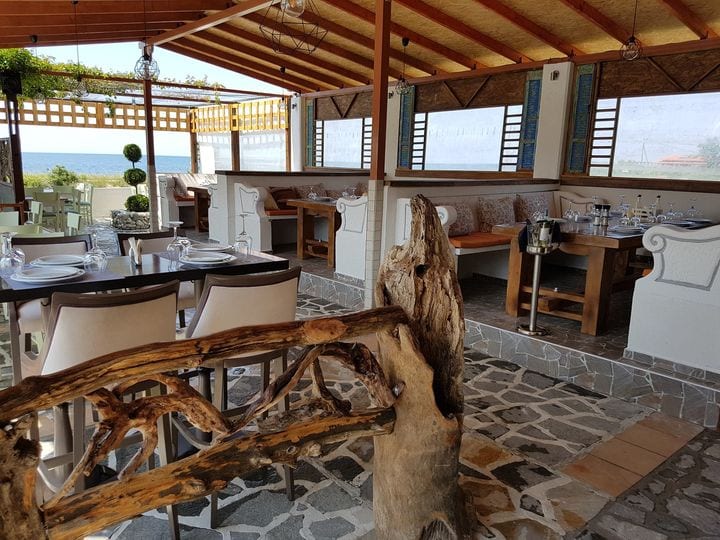


74 things to do and see across 13 villages, photographed by 50 local photographers. CNN Travel calls it Greece's secret green "virgin island".
Know before you go
Ferries from Alexandroupoli, getting around without a car, and the best time to come.
How do I get to Samothraki and is it easy?
Samothraki is accessible by ferry from mainland Greece's northern ports. From Alexandroupoli (2 hours by ferry), you'll find the most frequent connection—ferries operate 1-2 times daily in summer, 3-4 times weekly in winter. From Kavala (1.5-2 hours by ferry), fewer sailings are available but still reliable. Getting there is straightforward: fly into Athens or Thessaloniki, rent a car, drive north to Alexandroupoli or Kavala, then take the ferry. Alternatively, some travelers fly into Thessaloniki and take a longer drive. Yes, it takes effort, but that journey is precisely why Samothraki remains unspoiled—casual tourists don't make the trip. Ferry rides are scenic and worth the journey. Once you arrive, you'll understand the pilgrimage was worthwhile. Book ferry tickets in advance during peak season.
Do I need a car on Samothraki?
A car is highly recommended and essential for fully exploring Samothraki. Public transport is limited (seasonal buses serve main villages), and many attractions require driving to trailheads or beaches. Car rental is affordable (€25-50/day) and widely available at ferry ports. With a car, you gain independence to explore at your pace, discover hidden beaches, access challenging hiking trailheads, and visit remote mountain villages. That said, if you're staying in Kamariótissa (main port) or Chora (main village) for the entire trip and prefer guided tours or taxis, you could manage without one. However, you'd miss significant island experiences. For 90% of visitors, having a car transforms the trip from limited to extraordinary. Roads are well-maintained and driving is straightforward.
What's the best month to visit Samothraki?
The answer depends on your priorities. June and September offer ideal conditions: warm weather (25-28°C/77-82°F), comfortable water temperature (20-22°C/68-72°F), fewer crowds than July-August, and excellent hiking conditions. May and early October bring pleasant weather, cheaper accommodations, and fewer tourists. July-August offer warmest water (24-25°C/75-77°F) but peak crowds and prices. April features wildflower displays and mild weather (18-22°C/64-72°F) but water is cold (14-16°C/57-61°F). September offers summer weather with emptying beaches as families return to school. For specific activities: hikers prefer spring (wildflowers, cooler temperatures) or fall (stable weather, changing colors); swimmers prefer June-September; cultural immersion is best in shoulder seasons when tourism is moderate. Winter (November-March) brings rainy, cool weather (8-15°C/46-59°F), closed attractions, and minimal tourism—ideal for solitude seekers willing to sacrifice sunshine. Overall, June and September are objectively "best," but shoulder seasons offer better value and genuine experiences.
Where should I stay on Samothraki?
Your accommodation choice depends on your preferences. Kamariótissa (main port village) offers the widest selection of hotels, restaurants, and services—convenient for ferry arrivals and departures but busier than other areas. Chora (main town) feels more authentically Greek with local character, traditional architecture, and proximity to hiking routes—perfect for culture seekers. Mountain villages like Profitis, Therma, and Lakkos offer quieter, more immersive experiences with limited tourism infrastructure. Beach-near settlements like Lakoma are ideal if beach access is priority. For first-timers, Kamariótissa or Chora offer best balance of amenities and experience. Experienced travelers often venture to smaller villages for authenticity. Most visitors stay 5-10 days, which allows exploring different areas. Book accommodation in advance during July-August but shoulder seasons (May-June, September) offer excellent availability and better prices.
What is the cost of visiting Samothraki per day?
Samothraki is remarkably affordable. Budget breakdown (per person/day): accommodation €35-60 (guesthouse to nice 3-star hotel), meals €20-35 (mix of taverna dinners and casual lunches), activities €10-20 (some free—hiking; some paid—guided tours, Sanctuary entry), transport €3-5 (if renting car). Total: €68-120/day for comfortable mid-range experience, or €40-60/day for very budget travelers, or €150+/day for luxury-seekers. This compares extraordinarily favorably to major tourist islands. Families often spend €80-100/day total because shared meal costs are lower. Multi-day accommodation rentals reduce per-night costs. Off-season (October-April) reduces prices 20-30%. Early season (April-May) and late season (September-October) provide best value with excellent weather. Activities like hiking are free; museums cost €5-8. Restaurants serving tourists cost slightly more than local eateries. Overall, Samothraki offers perhaps Greece's best value while maintaining excellent quality. You're not saving money by skimping; you're avoiding tourist-industry markups through lower commercialization.
Can I visit in winter and is it worth it?
Yes, and for specific travelers, absolutely worth it. Winter brings cooler, rainy weather (8-15°C/46-59°F), minimal tourists, closed restaurants and hotels, and profound solitude. This appeals to photographers seeking dramatic moody landscapes, writers seeking quiet inspiration, spiritual seekers, and travelers valuing solitude over sunshine. Hiking is feasible but muddy and slippery—suitable for experienced hikers with proper gear. Water sports are limited due to cold temperatures and rough seas. Many businesses close seasonally, reducing services but increasing authenticity. The island feels truly remote—genuine Greek island life without tourism infrastructure. Accommodation is cheaper and more available as owners reduce operations. Locals' daily lives proceed undisturbed by tourist disruption. If you crave authentic, uncommodified experience, winter delivers. If you require sunshine, swimming, and active tourism infrastructure, winter disappoints. Winter suits experienced travelers comfortable with uncertainty and self-sufficiency. Spring and fall offer winter's authenticity with better weather—perhaps optimal.
Stories from the island
All stories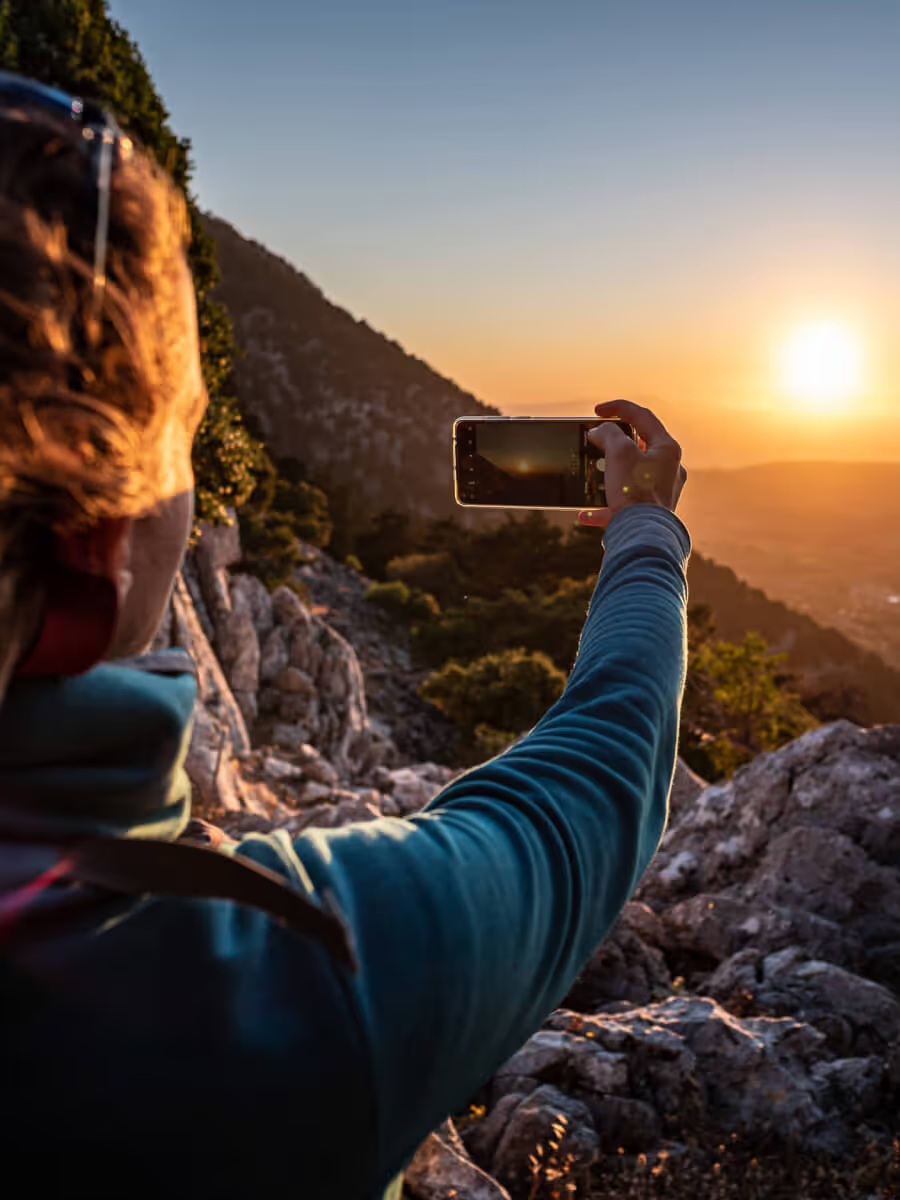
Samothraki by night: sunsets, tavernas, bars and feast days
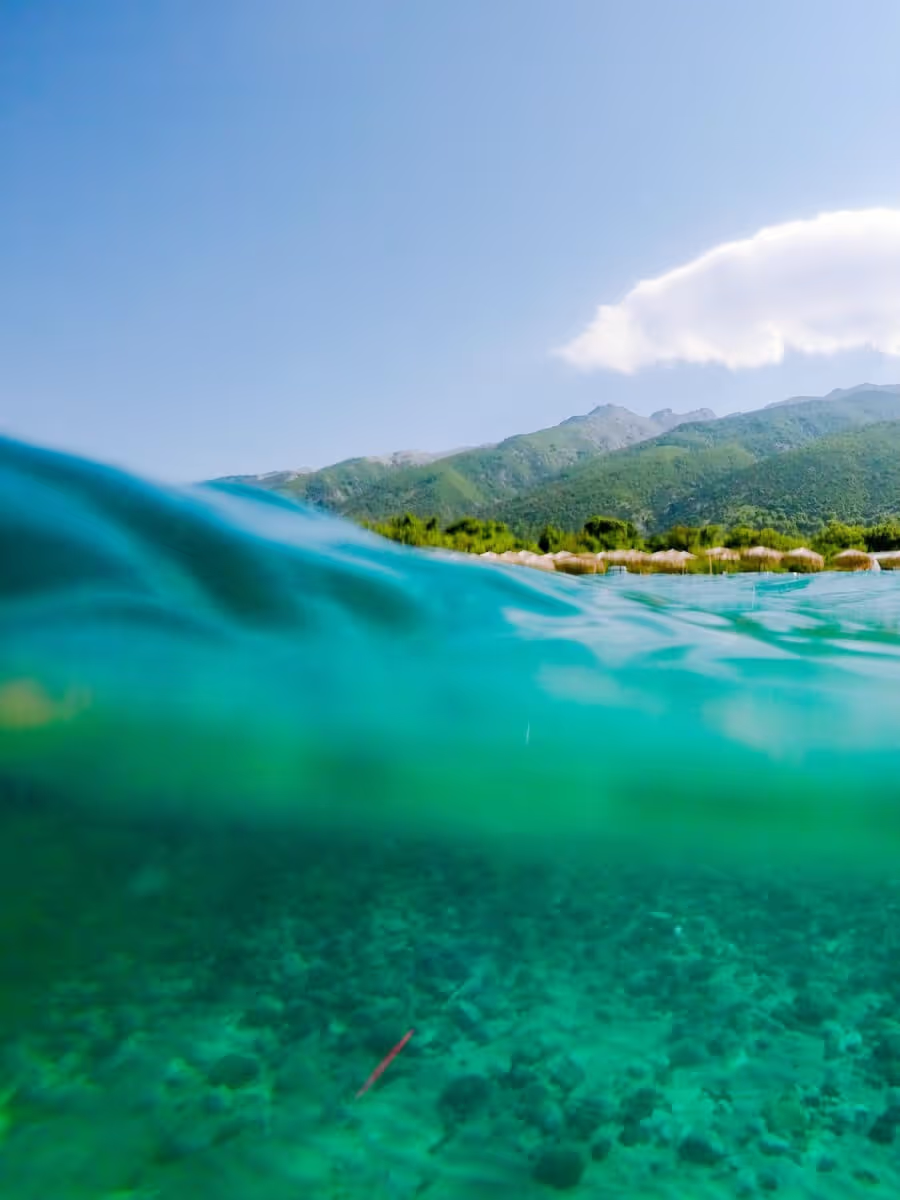
The north coast beaches of Samothraki, from Kamariotissa to Kipos
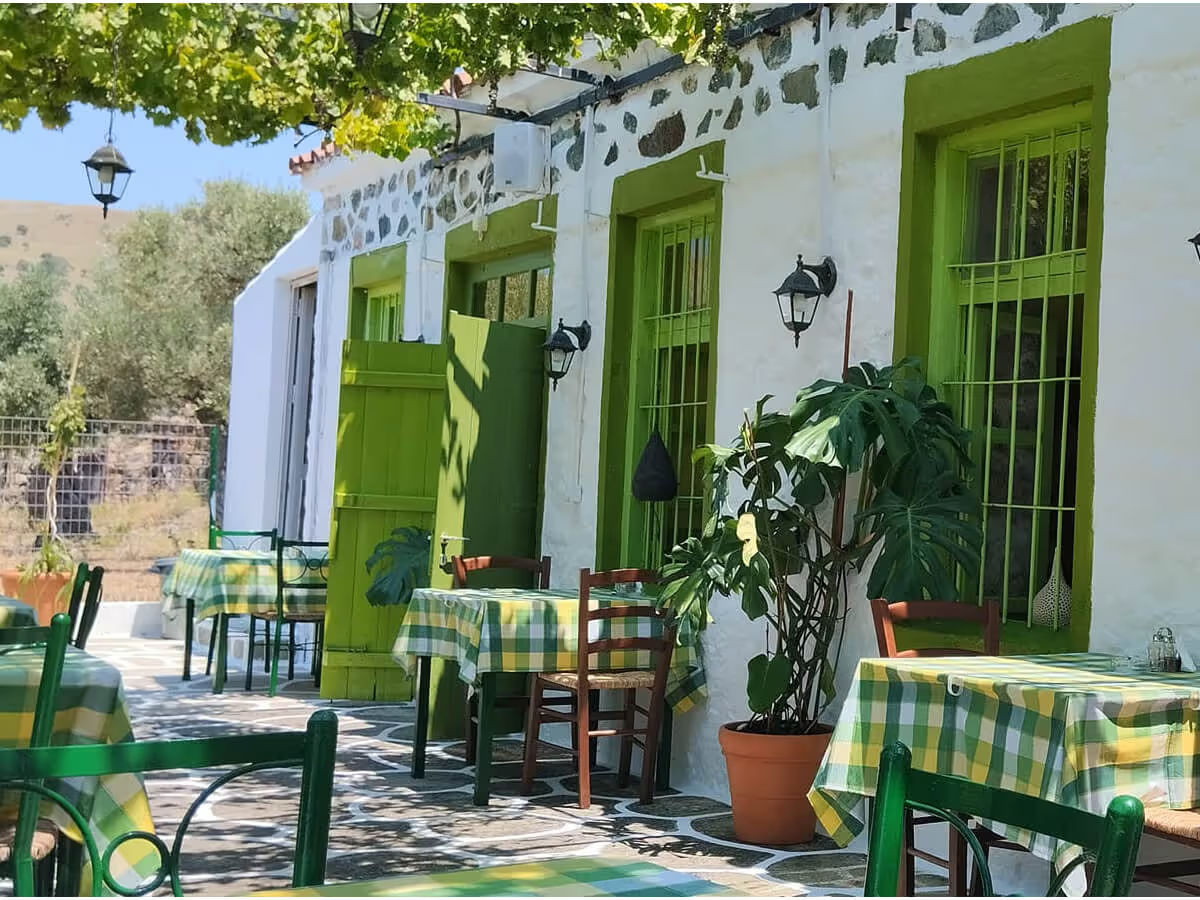
Where to eat on Samothraki, village by village

Getting around Samothraki: buses, taxis, scooters and boats
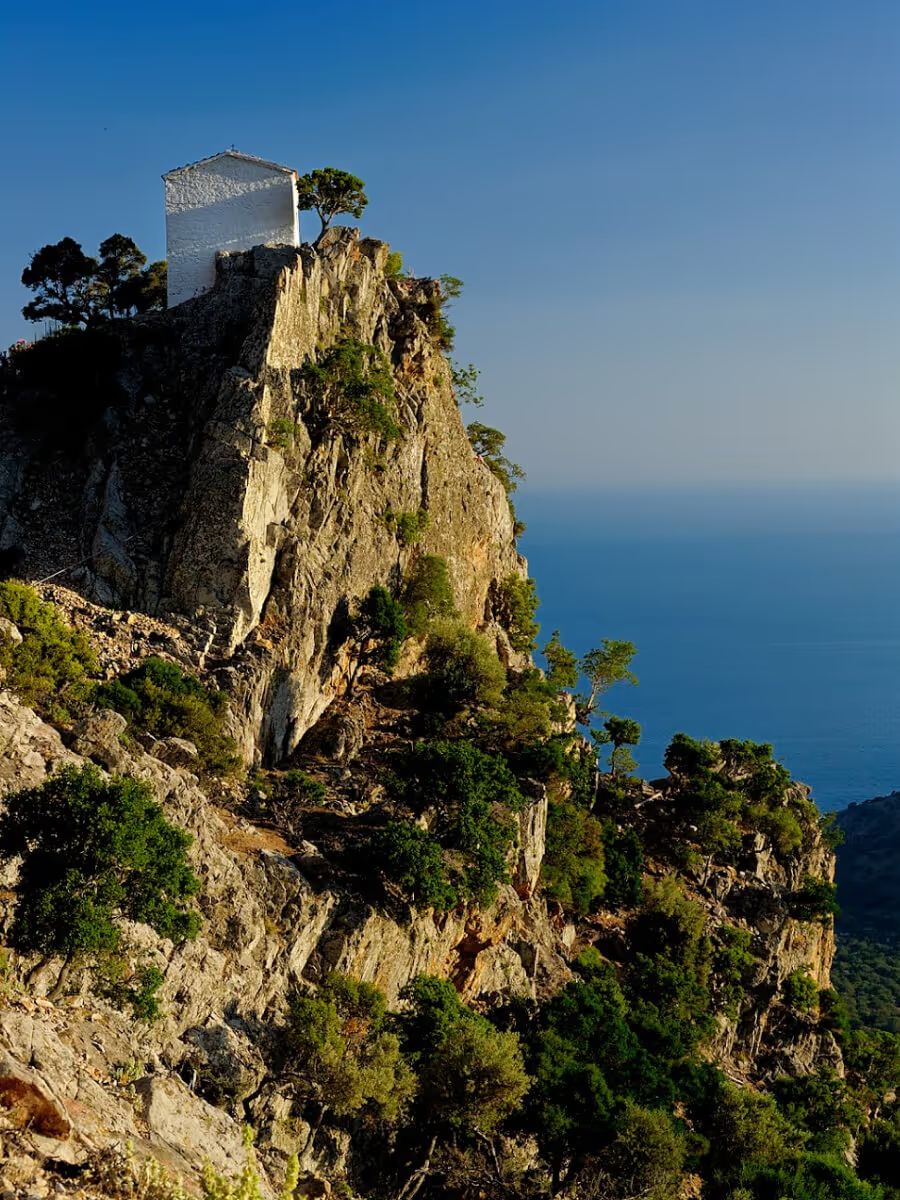
Churches and chapels of Samothraki, and the feasts that fill them
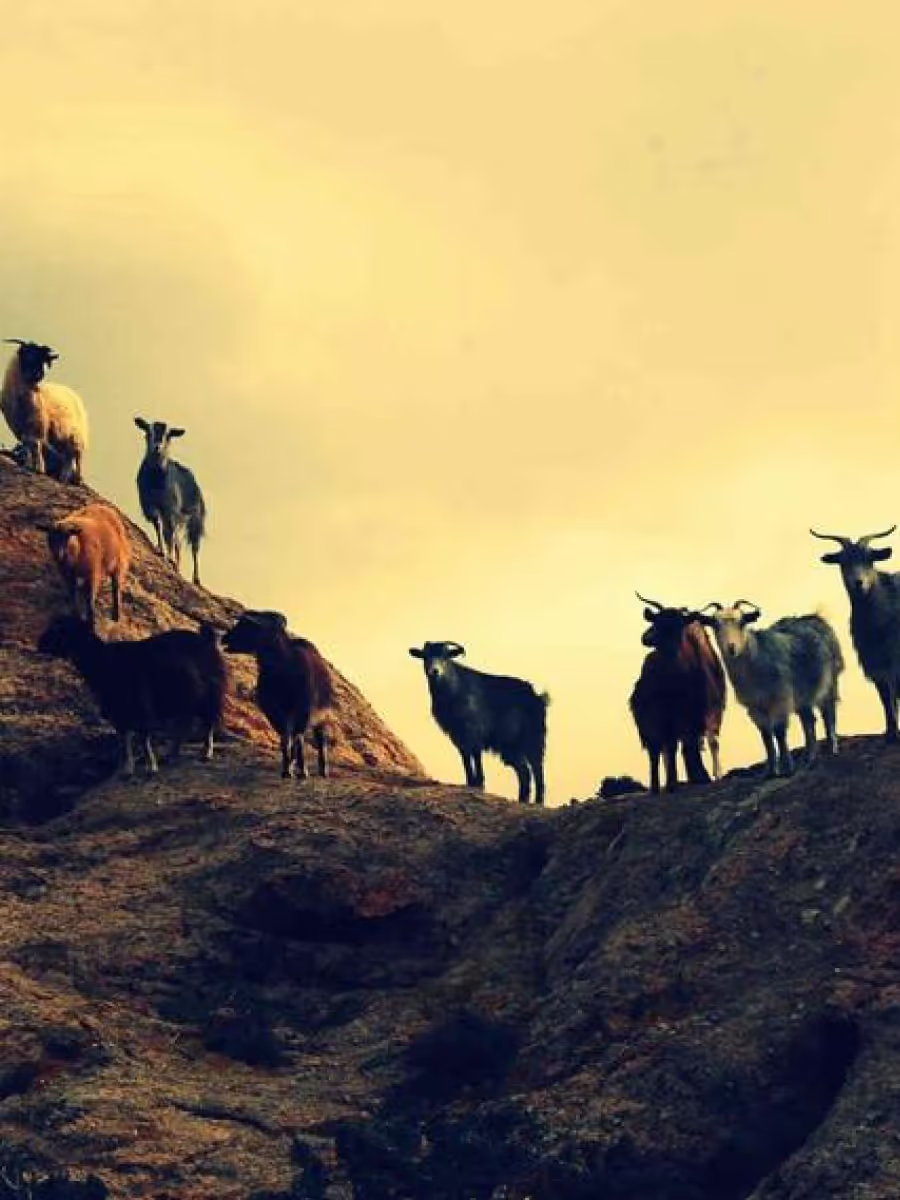
What to buy on Samothraki: local products and where to find them
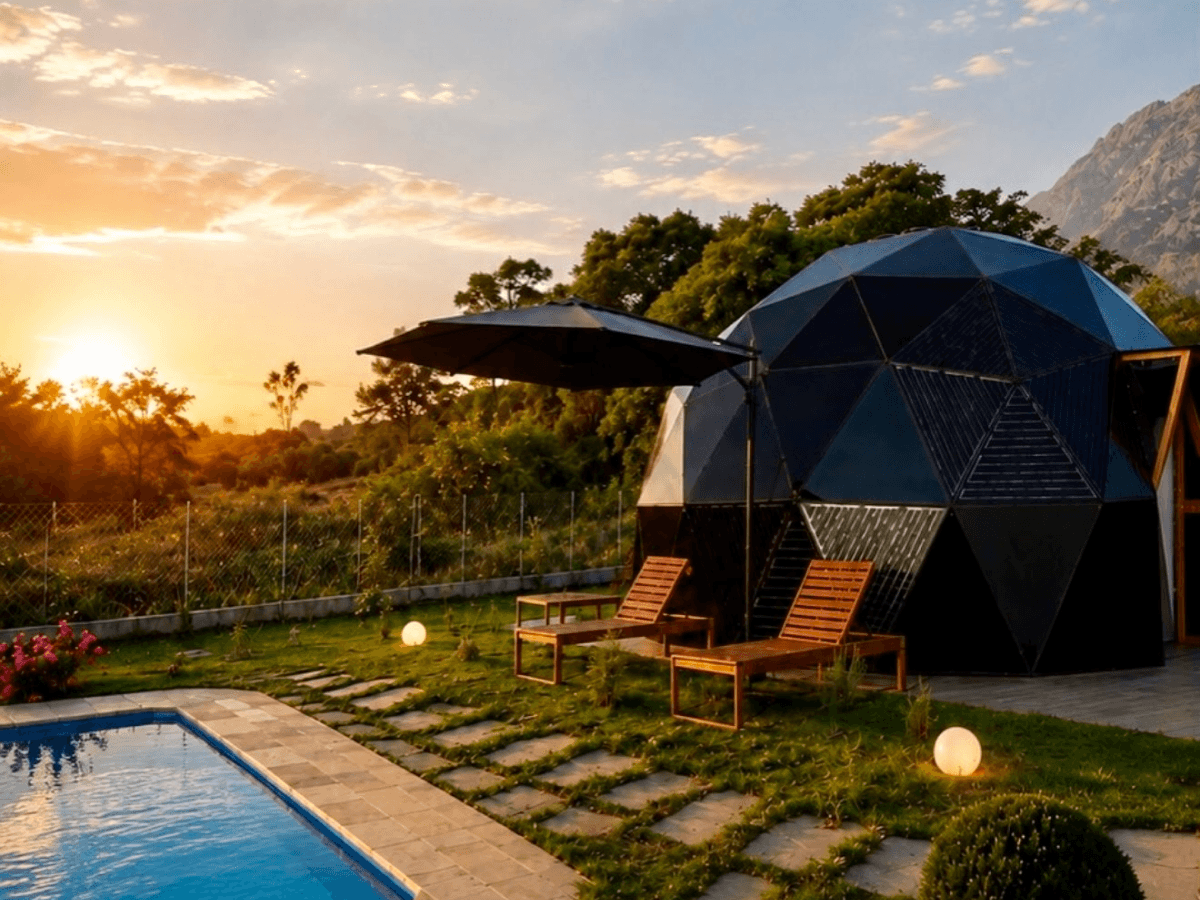
Where to Stay in Samothraki Island: Complete Guide
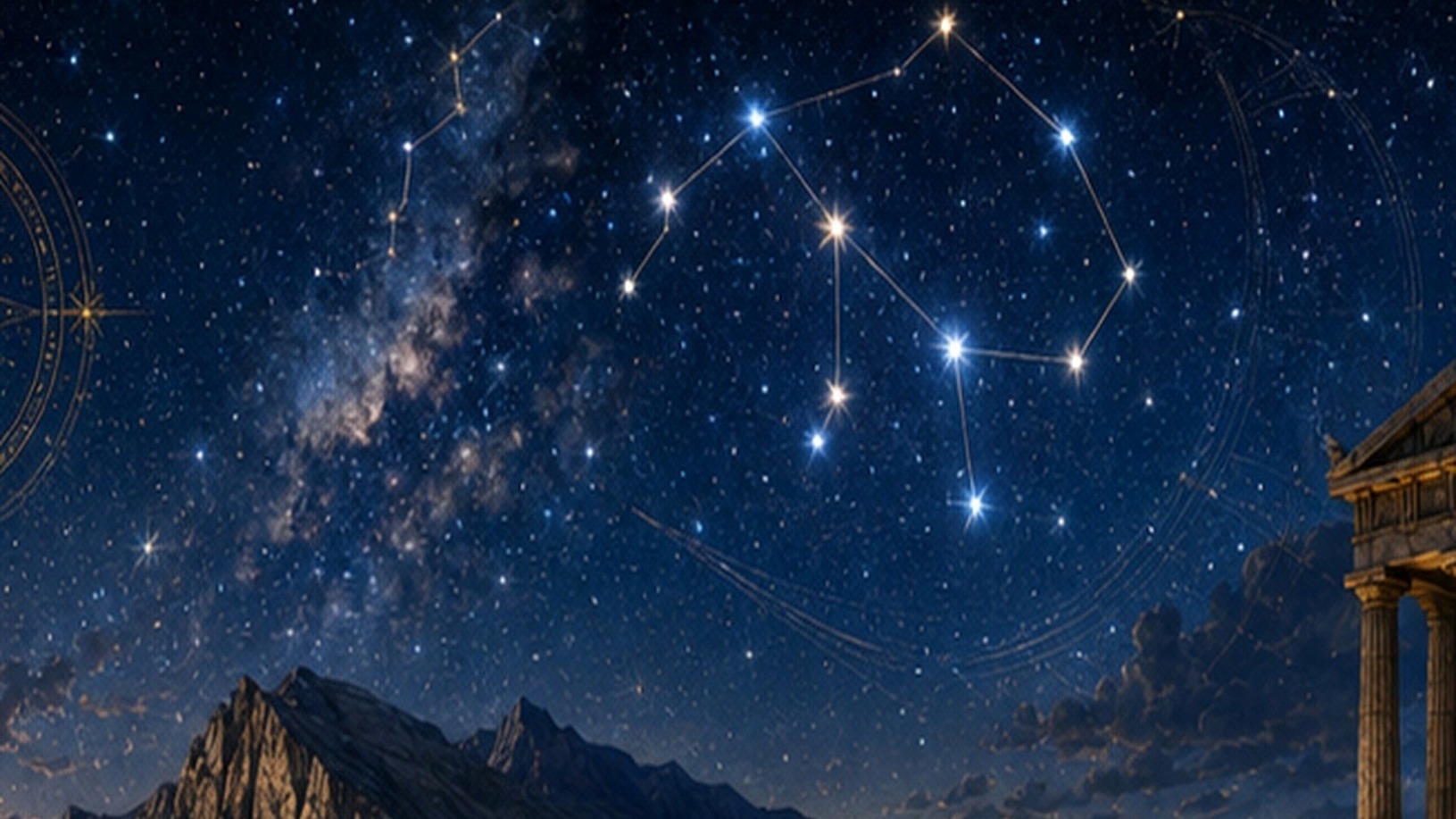
Astromythology of Samothrace: Myths Written in the Sky
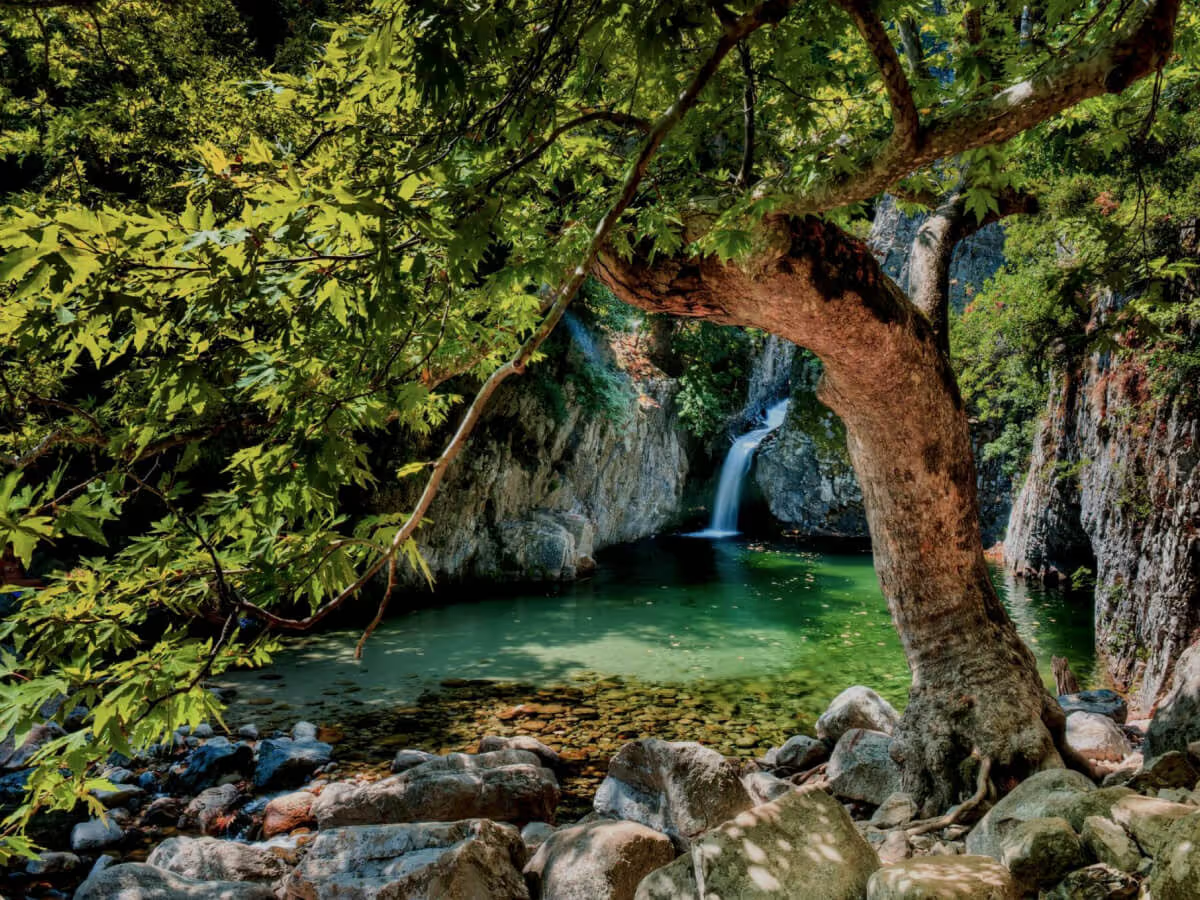
A First-Time Visit to Samothraki
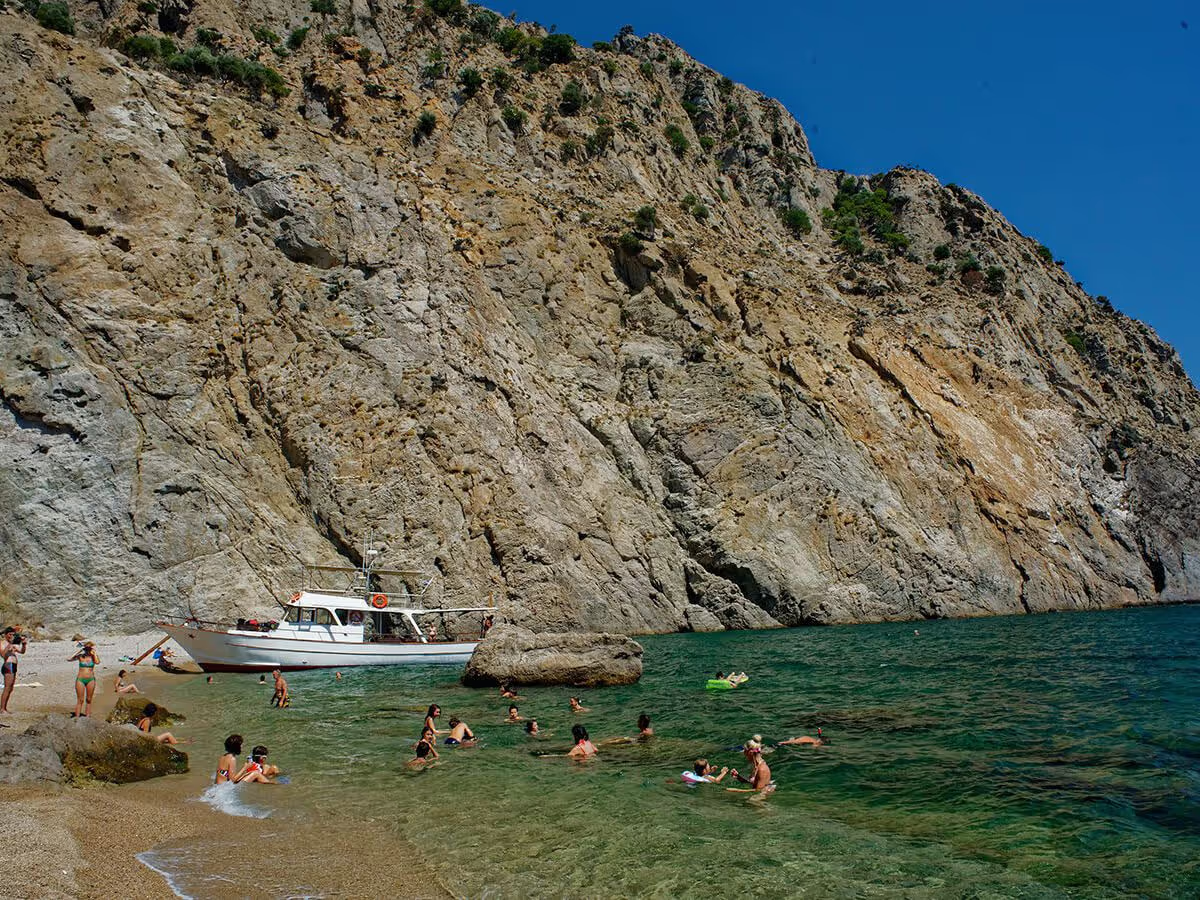
A day in Samothraki: itineraries for everyone
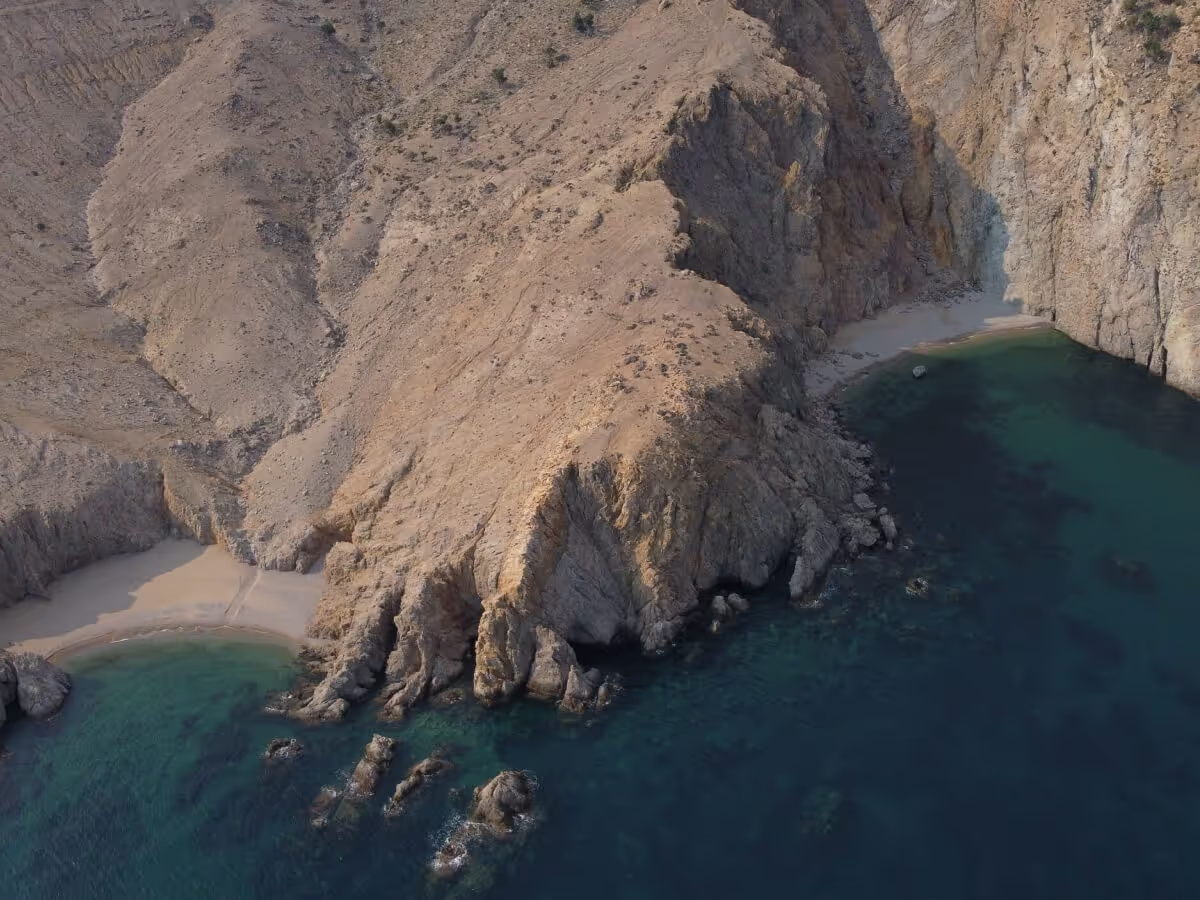
Hidden gems to discover on Samothraki island

Samothraki Cultural Guide – Summer 2026
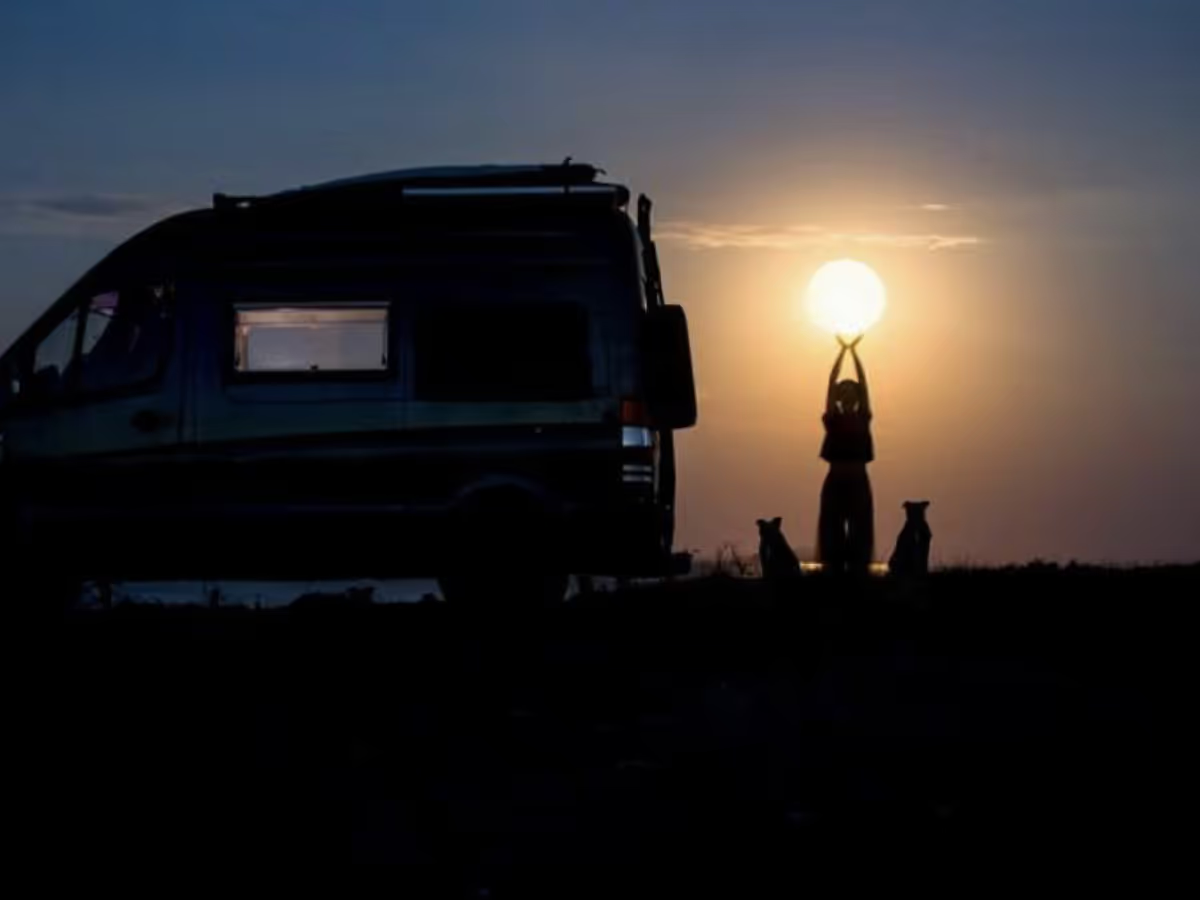
Free Camping on Samothraki Island
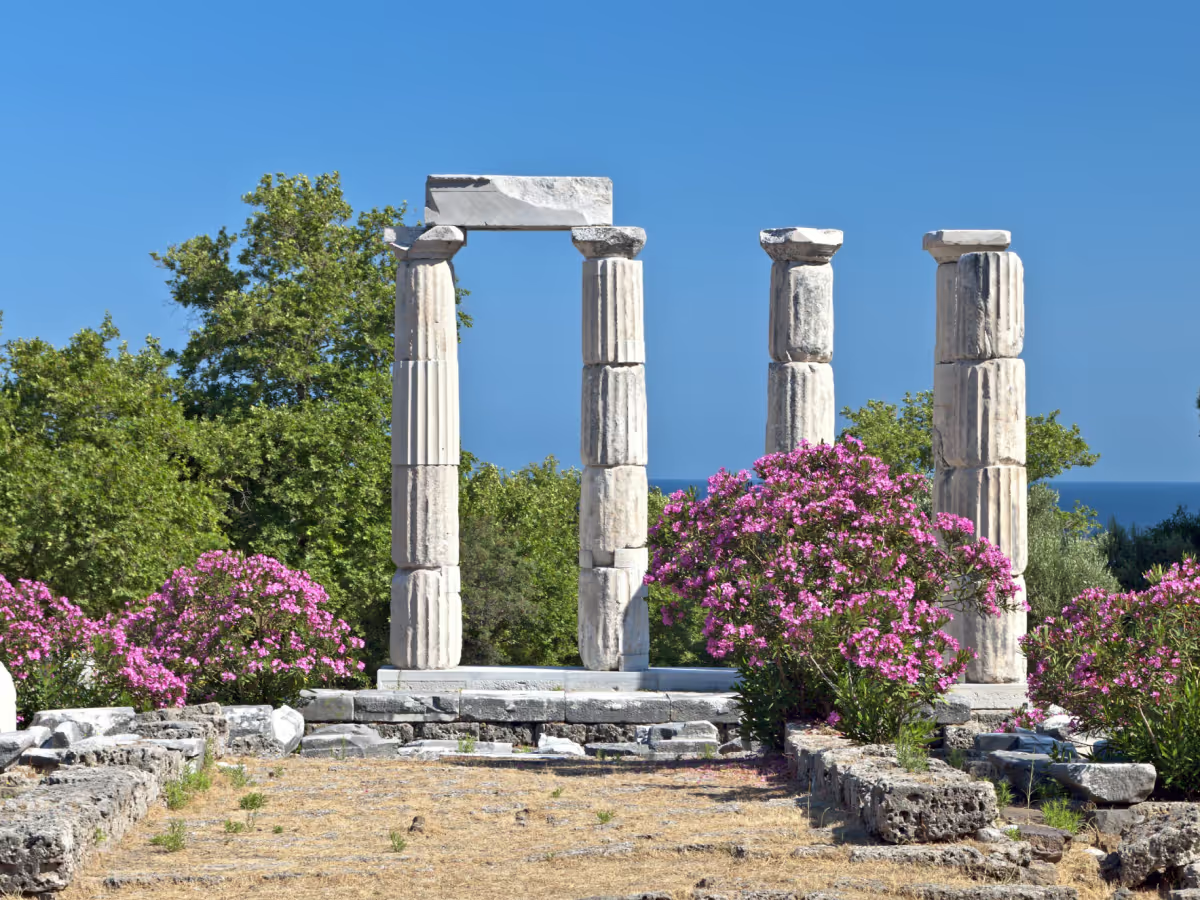
Samothraki Island: A Hidden UNESCO Gem in the Making
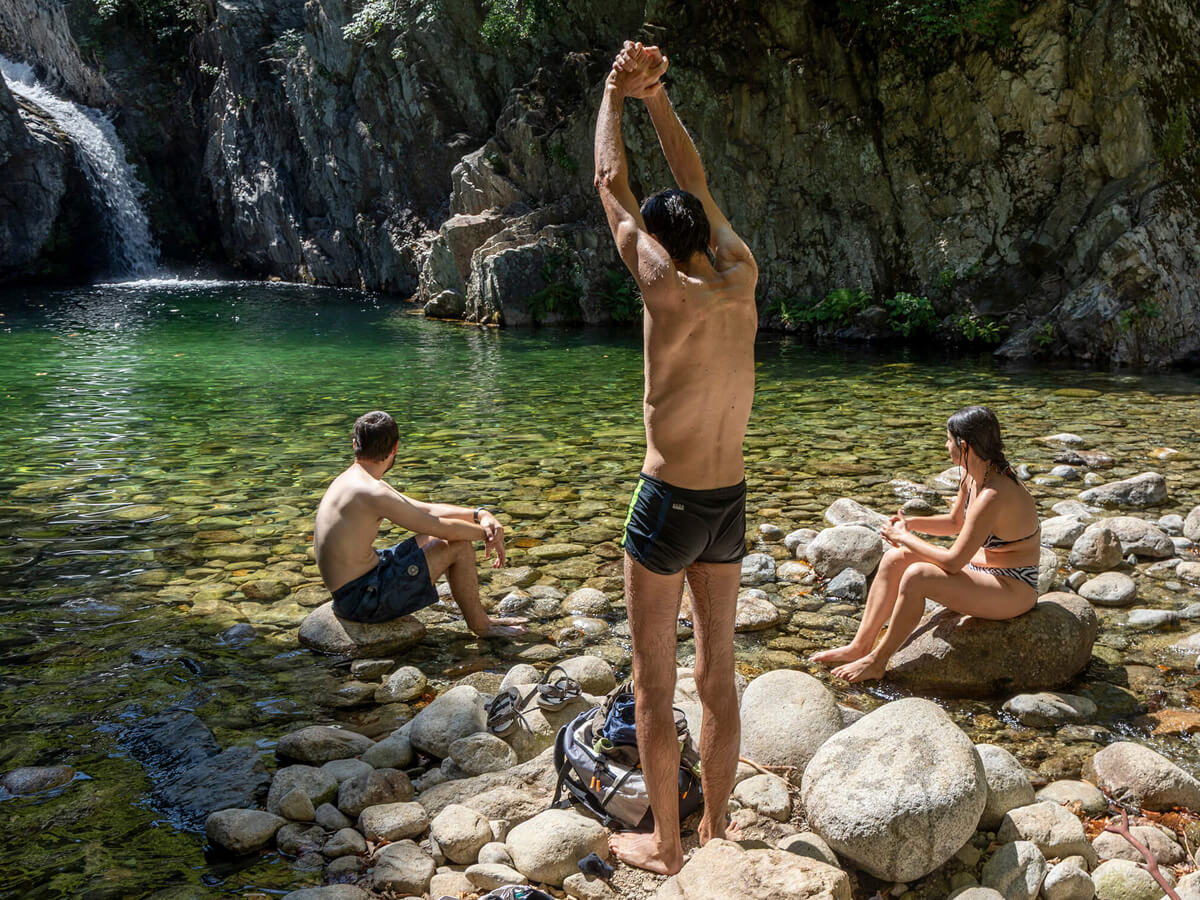
Samothraki Spring 2026
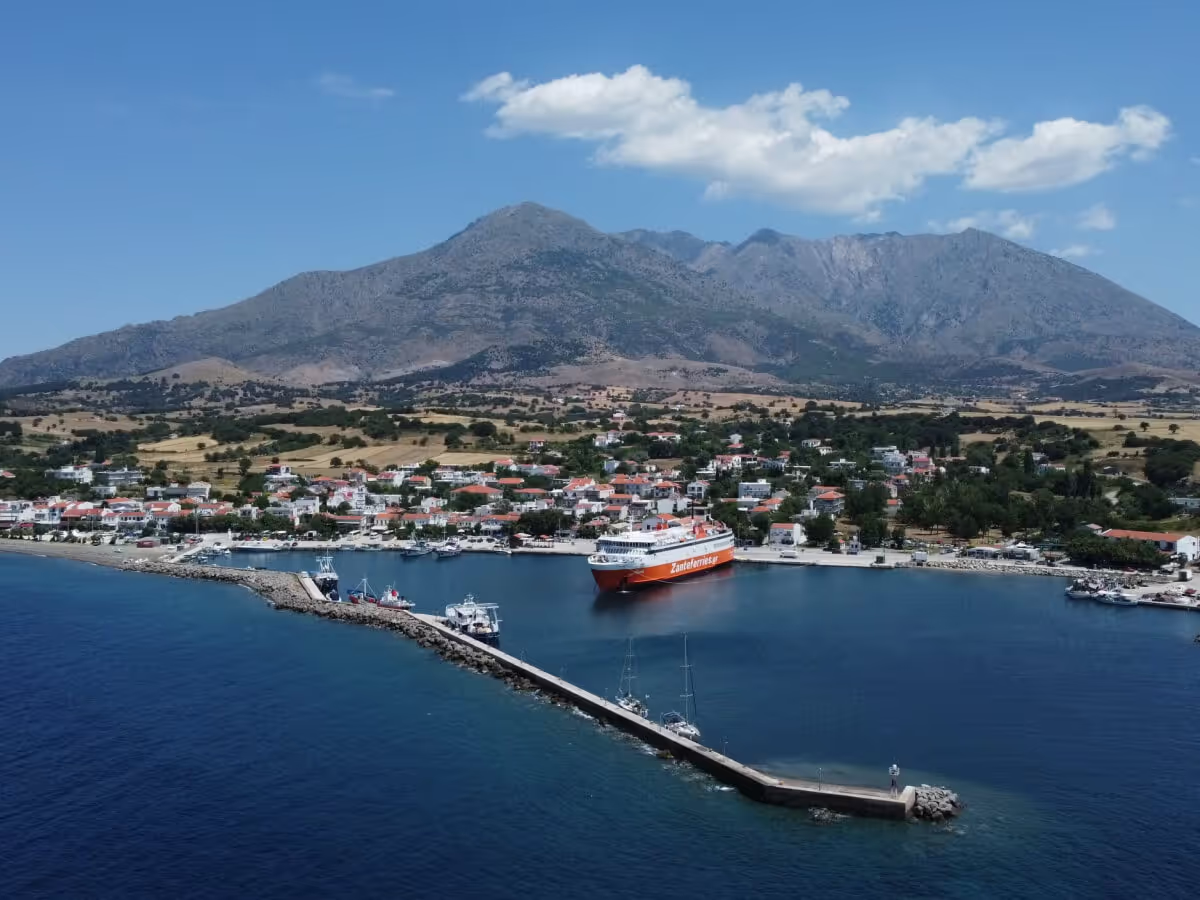
How to Pack for Samothraki: Seasonal Tips
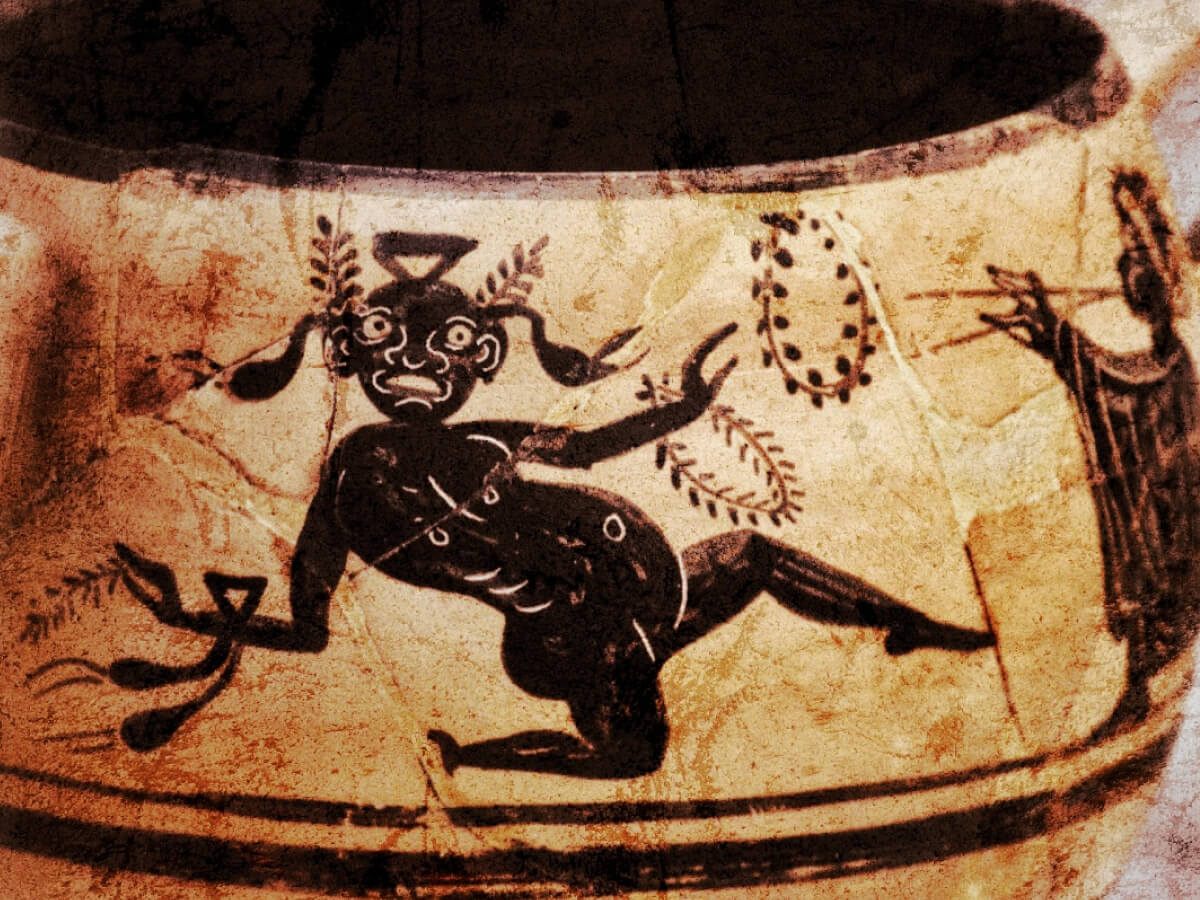
Mystical Aura of Samothraki – Ancient Mysteries
Start planning your trip
See everything on the map, or go straight to the stays.